Fall HVAC Maintenance Checklist for Denver Homeowners
Published: 2026-06-21 · By CedarPeak Heating and Air Conditioning
As the summer fades into autumn, Denver homeowners face the challenge of colder temperatures and unpredictable weather patterns. Rapid temperature swings leave many unprepared for the heating demands of winter, leading to rising energy bills and, worse, heating system failures. Those sudden hail storms and heavy snowmelt further complicate matters, making a proactive approach to HVAC maintenance essential. This fall, don’t wait until the first snowfall catches you off guard; a checklist can help ensure your heating system is ready to take on the ever-changing Colorado climate.
Why This Matters for Denver Homeowners
For Denver residents, HVAC maintenance is not just a matter of comfort; it's a critical component of home responsibility. The state’s unique climate, characterized by rapid temperature changes, puts significant stress on heating systems. Failing to prepare for winter can lead homeowners to discover that their furnace is malfunctioning during a sudden cold snap, necessitating costly emergency repairs.
Additionally, Colorado’s heavy snowmelt in spring creates potential water damage issues, particularly for homes on expansive clay soils. Without proper drainage and HVAC maintenance, moisture can compromise your heating and cooling systems, keeping your home uncomfortable year-round.
Furthermore, freeze-thaw cycles present another challenge as they can cause significant structural stress to homes. Neglecting HVAC requirements during this transition can lead to temperature regulation problems, which no homeowner wants as cold weather approaches.
Expert Solutions & Actionable Tips
1. Inspect and Replace Filters
First on your checklist should be inspecting and, if necessary, replacing your air filters. Clogged filters decrease system efficiency and can cause your furnace to work harder, raising energy bills. A new filter can cost between $15 to $30, and the replacement process takes only about 10 minutes. Given the Colorado dust and pollen, consider changing your filters every month during peak season.
Regularly maintaining clean filters promotes better airflow and a cleaner environment, crucial for homes with families and pets. Plus, a well-maintained HVAC can improve system lifespan, saving you money in the long run.
2. Check Your Thermostat
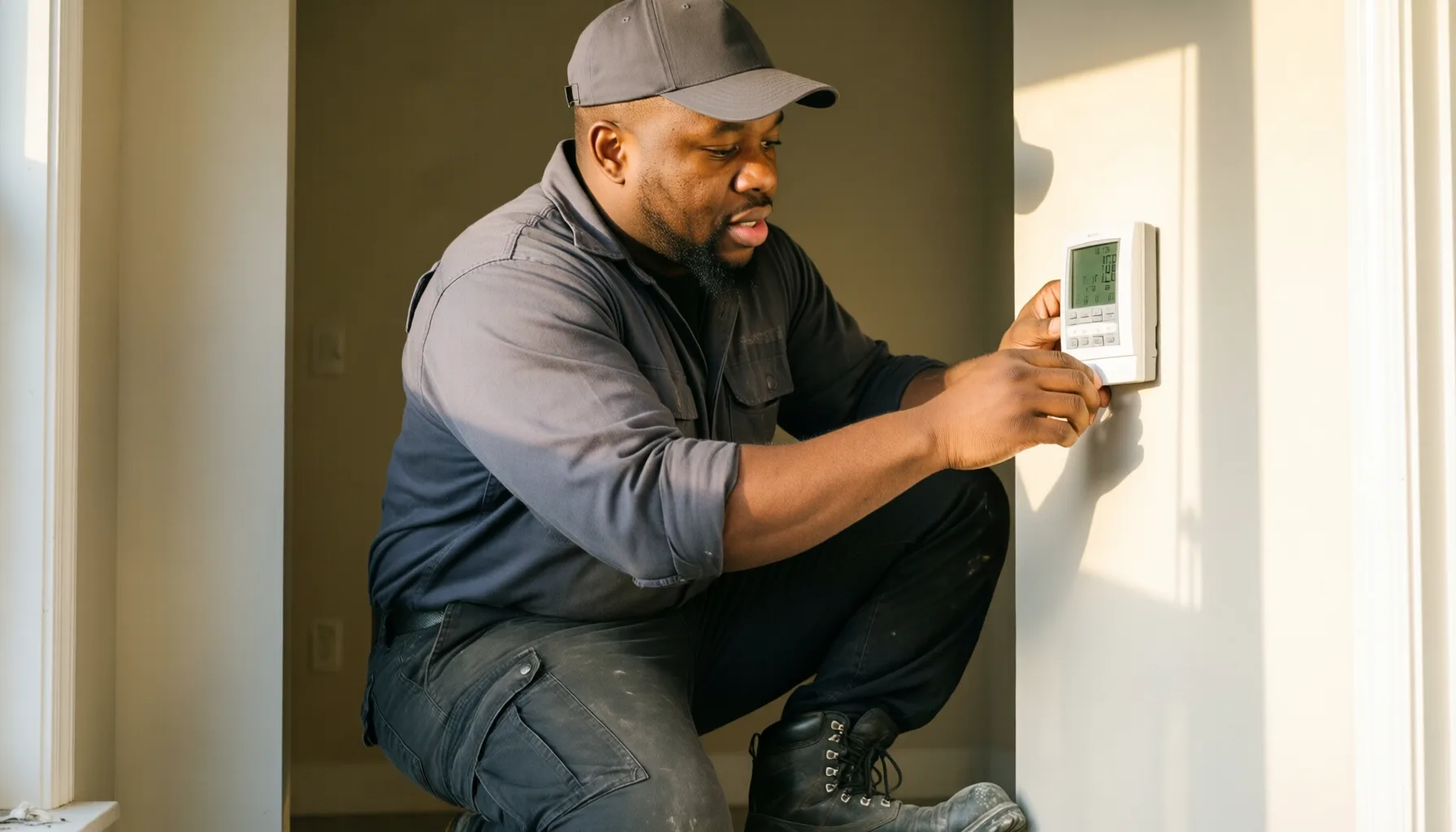
It's easy to overlook your thermostat, but ensuring it's working correctly is vital for comfort. Verify that it turns on and off properly and calibrate it according to the Denver climate. If you notice inconsistencies in temperature readings, consider upgrading to a smart thermostat. While this may cost you anywhere from $100 to $300, the energy savings can be significant.
A properly functioning thermostat ensures your heating system runs efficiently, especially through cold snaps, so evaluate its settings as part of your fall preparations.
3. Seal and Insulate Ducts
Leaky ducts can lead to substantial heat loss, making your heating system work harder to maintain warmth. Investing in sealing and insulating ducts typically costs between $300 and $500, and a contractor can complete it in just a few hours. Given Denver's dry climate, improperly sealed ducts can contribute to increased heating bills and inconsistent home temperatures.
Moreover, sealing your ducts will improve indoor air quality, making your living space more comfortable for everyone.
4. Clean Your Outdoor Unit
Your HVAC system's outdoor unit needs attention as much as its indoor components. In Denver, debris from hail storms and fallen leaves can accumulate, restricting airflow. Schedule a thorough cleaning, which can cost around $100, and can usually be completed in under an hour. This simple step can significantly enhance your cooling system's efficiency for next summer.
Failing to clean your unit might lead to severe problems when you need cooling later, so make sure it’s part of your fall routine.
5. Inspect for Water Damage
With Denver's spring snowmelt, it’s important to evaluate your HVAC system for any signs of water damage. Examine areas around your unit for mold or moisture buildup, which can indicate improper drainage. A thorough inspection might require professional assistance but can save you from costly repairs down the line.
Cost for this service typically ranges from $100 to $300, depending on the extent of the inspection. Identifying water intrusion early can prevent long-term damage to your home.
6. Schedule a Professional Inspection
While some maintenance tasks can be DIY, scheduling a professional HVAC inspection is crucial in Colorado, where heating systems face unique demands. Hiring an expert can cost approximately $75 to $150 but can significantly reduce the risk of having your heating system fail during high-demand periods.
Professionals can identify potential red flags that may be beyond your knowledge and provide essential upkeep, preparing your HVAC system to withstand whatever winter has in store.
Denver Climate & Local Context
Denver's climate presents unique hurdles when it comes to HVAC systems. With its rapid temperature fluctuations and occasional hailstorms, homeowners need to stay ahead of maintenance to ensure comfort and safety. Expansive clay soils, prevalent in many areas across the city, can lead to drainage issues if not aptly managed. This necessitates certain considerations regarding drainage around HVAC units and water mitigation strategies.
Local building codes often require specific inspections during installation and modifications, ensuring that HVAC systems manage both air quality and moisture control effectively. Being well-versed in these details can aid homeowners in complying with regulations while providing a more energy-efficient environment.
When to Call a Professional
While many HVAC tasks can be done on your own, knowing when to call a professional can save you time, money, and potential hazards. Tasks such as changing filters or cleaning exterior units are usually straightforward. However, if you encounter any of the following red flags, it’s best to contact CedarPeak Heating and Air Conditioning:
- Unusual noises coming from the system
- Foul odors when the system operates
- Inconsistent heating throughout your home
- Visible moisture or leaks around your HVAC unit
- A significant increase in energy bills without apparent cause
- Failure of the system to start or remain operational
For these concerns, leaving it to experienced technicians ensures safety and efficiency in restoring your HVAC system.
Frequently Asked Questions
How often should I have my HVAC system serviced?
For optimal performance, it's recommended to service your HVAC system at least once annually. In Denver, where conditions can be extreme, consider two checks a year—one in fall for heating and one in spring for cooling.
What can I do if my furnace is not heating properly?
First, check your thermostat settings and replace filters if necessary. If issues persist, it may be time to contact a professional, as they will have the tools to diagnose complex issues.
Are there any tax credits for HVAC systems in Colorado?
Yes, homeowners can benefit from various energy efficiency tax credits applicable to new HVAC installations and upgrades. Be sure to check with local authorities or tax professionals for specifics relevant to your improvements.
What is the average lifespan of an HVAC system in Denver?
Generally, HVAC systems last around 15 to 20 years. Factors like maintenance and local weather conditions, especially in places with extreme weather like Denver, can influence lifespan significantly.
How can I improve energy efficiency in my home?
Improve energy efficiency by ensuring proper insulation, sealing ductwork, and regularly maintaining your HVAC system. Consider also upgrading to smart thermostats that optimize heating and cooling schedules.
Get Expert HVAC Service in Denver
As Denver navigates the transition into winter, ensure your home is ready to face the elements with a comprehensive HVAC maintenance plan. Reach out to CedarPeak Heating and Air Conditioning at (719) 508-6958 to schedule your inspection today.
Your comfort is our priority, and with expert service tailored to the unique needs of Denver homeowners, you can stay warm and worry-free all winter long.